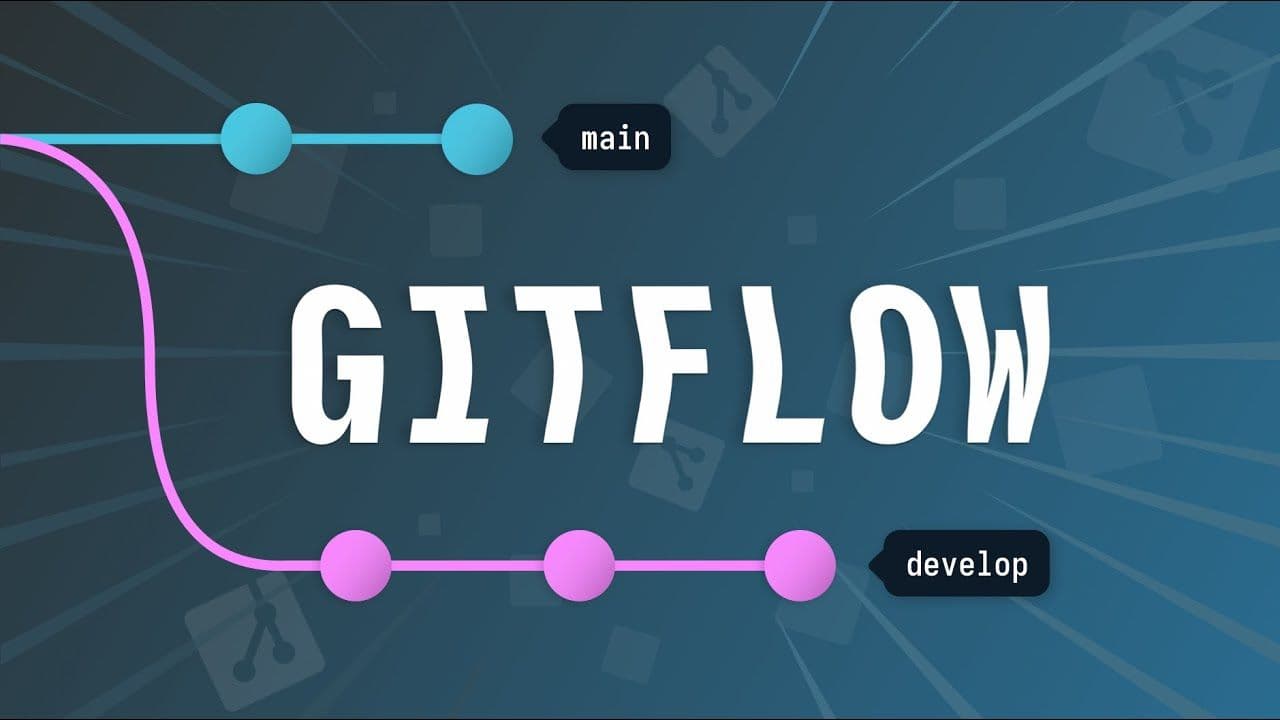
Gitflow is a branching model for Git, introduced by Vincent Driessen in 2010. Rather than leaving every developer to invent their own way of organizing branches, it defines a strict, predictable structure: a set of long-lived branches that always exist, and a set of short-lived supporting branches for the actual work of building features, cutting releases, and shipping urgent fixes.
The appeal is consistency. On a team using Gitflow, anyone can look at the repository and immediately understand what a branch is for, where new work should start, and how a change makes its way into production. That shared vocabulary is the whole point — it turns branching from a matter of personal habit into a documented process.
This guide is a practical quick start. We’ll cover the branches, the commands, and a realistic end-to-end workflow, so you can start using Gitflow on a real project today.